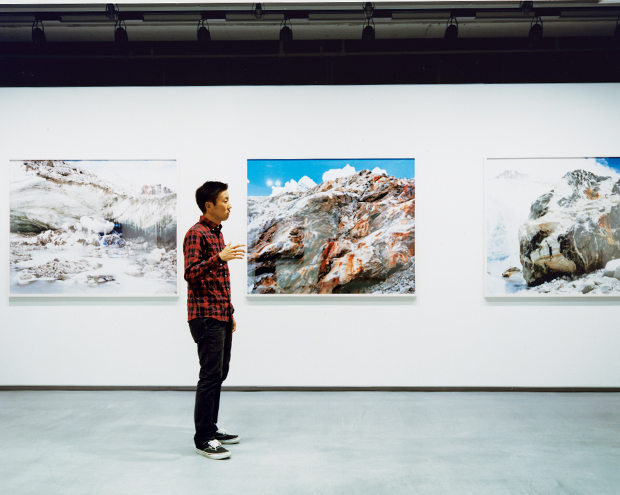
旅の間隙を縫って行われたインタビューは、写真展『Makalu』の会場にて。ビル大の岩石や氷河など、極地ならではの威厳に満ちた風景は、石川直樹の今春の日常でもある。圧倒的な自然とそこに生きる人々。多角的な眼差しの痕跡。
Interview took place between his journeys and at the exhibition hall for his photographic works, MAKALU.
Large rock formations and glaciers and the solemnity of the polar-regions fills up the everyday life of Naoki Ishikawa. Overwhelming nature and the people who live there.
Traces of a diversified gaze.
サハリンから東京へ戻り、翌日には富山で1泊、東京へ戻ってきてすぐにフィリピンへと向かうという驚異的なスケジュールはそのまま、写真家・石川直樹の世界との向き合い方を示している。自分の身体をその地に運ぶことでしか、写真を撮ることはできない。「いや、ちょっと動き過ぎなんですけどね」と苦笑しつつも、留まることのない回遊魚のようなスタイルでしか、見えないものがある。世界を包括的に感じるために旅を続ける石川さんに、まずは今回のテーマである「知る」というキーワードについて聞いた。
「“これはノートだ”、“これは写真だ”って、何でも知っているつもりになってしまうから、知覚しなくなってしまう。知っていると思い込むことによって感覚を遮断してしまうんです。だから『知る』ってすごく危険な言葉だと思っていて、死ぬまでいろんなことを知っているつもりにならずに生きていきたいっていう気持ちがすごく強い。そうしないと驚きがなくなって、シャッターが切れなくなってしまう。子どもたちって知っているつもりにならずにいろんなものを見ているから、時間の流れが遅いんですよ。知っているつもりになっているものが多すぎると、時間がビューンと過ぎてしまう」
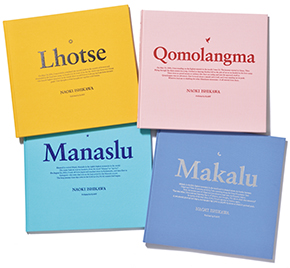
その思いから、同じ場所であったとしても何度も通う。近年の大きな活動のひとつであるヒマラヤの地へは2001年のエベレスト初登頂から既に13年が経ち、4冊もの写真集を発表している。異なる山へと登っているとは言え、同じ土地を舞台に写真集を発表し続ける理由は、極地という、地球上でも希有な場所には未知の何かが存在しているからか。 「知りたいっていう気持ちが持続していて、エベレストに登ったり、ローツェに登ったり、いろんな場所から見てもまだ何かあるんじゃないかって。そう思ってマカルーに登ってみたら、いきなりエベレストとローツェが双耳峰に見えたんです。どんなにエベレストのことを調べて、自分でも2回も登ったのに、こんな風に見えるなんてまったく思わなかった。地球からこんなに出っ張って、しかも繋がっているのか! って(笑)。やっぱり知っているつもりにならずに旅を続けてきてよかったなっていう最たる例ですよね」 この冊子のp10〜11が、まさにその時の写真だが、そこに写るのは、誰も意識したことのない世界の姿だった。石川さんは、「自分なりの世界地図を描き直したい」のだという。脈略のないように動き回っているように見えるその旅も、自分だけの世界地図を描くためだと聞くと、なるほどと嘆息するしかない。
その思いから、同じ場所であったとしても何度も通う。近年の大きな活動のひとつであるヒマラヤの地へは2001年のエベレスト初登頂から既に13年が経ち、4冊もの写真集を発表している。異なる山へと登っているとは言え、同じ土地を舞台に写真集を発表し続ける理由は、極地という、地球上でも希有な場所には未知の何かが存在しているからか。 「知りたいっていう気持ちが持続していて、エベレストに登ったり、ローツェに登ったり、いろんな場所から見てもまだ何かあるんじゃないかって。そう思ってマカルーに登ってみたら、いきなりエベレストとローツェが双耳峰に見えたんです。どんなにエベレストのことを調べて、自分でも2回も登ったのに、こんな風に見えるなんてまったく思わなかった。地球からこんなに出っ張って、しかも繋がっているのか! って(笑)。やっぱり知っているつもりにならずに旅を続けてきてよかったなっていう最たる例ですよね」 この冊子のp10〜11が、まさにその時の写真だが、そこに写るのは、誰も意識したことのない世界の姿だった。石川さんは、「自分なりの世界地図を描き直したい」のだという。脈略のないように動き回っているように見えるその旅も、自分だけの世界地図を描くためだと聞くと、なるほどと嘆息するしかない。
Return home to Tokyo from Sakhalin, the next day spend one night in Toyama. After that, head to the Philippines. This is the marvelous schedule that photographer Naoki Ishikawa lives by to face the world. You can only take a photograph of a location if you go there yourself. As Naoki jokes, “Yeah, but I am probably moving around a bit too much”, and he mentions that there are certain things you can only witness when you keep a sort of, “migratory fish-like” schedule. We asked
Mr. Ishikawa, a man who continuing ontinues on a comprehensive journey of the world, about our theme, “KNOWING”.
“‘This is a note’, ‘this is a picture’… eventually our perceptiveness decreases in our quest to ‘know’ to become a know-it-all Everything.
If we become overconfident in our knowledge, we end up depriving ourselves of intuition. This is why “KNOWING” is actually a dangerous word and why my will to live, not a will to know everything, is what drives me. If not, there will be no mystery left and the photos will stop. This is why time passes more slowly for children, as they live life able to continually absorb new experiences. Time goes by in a flash if you live life as a know-it-all.”
With this mindset, you can journey back to the same location multiple times. It has been 13 years since he first summited Mt Everest, and he has found his way back many times. He has also released four books of his photographic works. Although he climbs various mountains, his reason for photographing the same spots is that there is still a mystery to be found in the extreme remote locations of the world.
“My desire to learn continues and I keep climbing. Everest… Lhotse… I look on from many locations and I know there is still something left to find. This is why I decided to climb Mt. Makalu, and that is when I noticed that the Everest and Lhotse peaks were practically twins. It didn’t matter that I had researched
Everest in depth or had climbed it myself twice, I never thought it would look like this.
For something so grand to be projecting out from the earth, and on top of that, TWO of them! This is the perfect example of why I am glad that I have continued to journey through life, not just on a campaign to ‘know’ more.”
The photograph on p10-11 of this booklet is the shot from Mt. Makalu, and what you see is an image of the world that no one had envisioned before. Mr. Ishikawa wants to measure, experience, and fix the world with his own body. To “re-sketch your own personal world map”. There is a sigh of relief and understanding when hearing that this hectic-appearing journey is actually a journey to sketch out yourhis own personal map of the world.
Mr. Ishikawa, a man who continuing ontinues on a comprehensive journey of the world, about our theme, “KNOWING”.
“‘This is a note’, ‘this is a picture’… eventually our perceptiveness decreases in our quest to ‘know’ to become a know-it-all Everything.
If we become overconfident in our knowledge, we end up depriving ourselves of intuition. This is why “KNOWING” is actually a dangerous word and why my will to live, not a will to know everything, is what drives me. If not, there will be no mystery left and the photos will stop. This is why time passes more slowly for children, as they live life able to continually absorb new experiences. Time goes by in a flash if you live life as a know-it-all.”
With this mindset, you can journey back to the same location multiple times. It has been 13 years since he first summited Mt Everest, and he has found his way back many times. He has also released four books of his photographic works. Although he climbs various mountains, his reason for photographing the same spots is that there is still a mystery to be found in the extreme remote locations of the world.
“My desire to learn continues and I keep climbing. Everest… Lhotse… I look on from many locations and I know there is still something left to find. This is why I decided to climb Mt. Makalu, and that is when I noticed that the Everest and Lhotse peaks were practically twins. It didn’t matter that I had researched
Everest in depth or had climbed it myself twice, I never thought it would look like this.
For something so grand to be projecting out from the earth, and on top of that, TWO of them! This is the perfect example of why I am glad that I have continued to journey through life, not just on a campaign to ‘know’ more.”
The photograph on p10-11 of this booklet is the shot from Mt. Makalu, and what you see is an image of the world that no one had envisioned before. Mr. Ishikawa wants to measure, experience, and fix the world with his own body. To “re-sketch your own personal world map”. There is a sigh of relief and understanding when hearing that this hectic-appearing journey is actually a journey to sketch out yourhis own personal map of the world.
「2009年に『ARCHIPELAGO』という写真集を出したんですけれども、先日のサハリンへの旅は、日本を島の連なりとして太平洋の中で捉え直していくという試みの延長でした。サハリンには樺太時代の日本の遺跡がたくさんあったし、アイヌ民族の生活の痕跡があり、アイヌの隣人であるニヴフやウィルタ※1の人々がいる。その中には、日本語を達者に話すおじいさんがいたりして、グラデーションで変わっているのが分かるんです。そして繋がりだけじゃなく、断絶も分かる。断絶だけじゃなくて繋がりも分かる。もちろん南もしかりですけれども、それってすごく面白いんですよ。間宮林蔵じゃないけれども、世界を自分の目で捉え直したいんです。サハリンの後に行った富山に、富山県庁だけで売られている地図っていうのがあるんです。300円で売っているんですが、日本が反対になっている。歴史学者の網野善彦さんの著書で紹介されていて、日本が反対向きで、日本海が湖のようになっている地図。それを見るとまったく違う列島の姿が浮かび上がってくる。そういう地図をやっぱり自分の頭の中に描きたいなって」
写真集を出している場所は、石川さんの中で世界が描き変わっている場所だという。北極圏、ポリネシア、ヒマラヤ、日本列島の北端と南端……。なぜ、その土地が選ばれたのかという問いには、意外にも、「受け身」と答えた。
「興味がないこと自体があんまりなくて、自分の中の扉を開いていたら、向こうからいろいろ飛び込んでくるんです。照準を定めて狙っていると逃げていくものっていっぱいあるので、ハンティングというよりはむしろ釣りに近い感覚。沼の中に釣り糸を垂らして何がかかるかなって待っていて、例え空き缶が引っかかったとしても、『え? この空き缶って、150年前のスゲー空き缶拾っちゃった』みたいな風にして新しい旅が始まるような感覚なんですよね
写真集を出している場所は、石川さんの中で世界が描き変わっている場所だという。北極圏、ポリネシア、ヒマラヤ、日本列島の北端と南端……。なぜ、その土地が選ばれたのかという問いには、意外にも、「受け身」と答えた。
「興味がないこと自体があんまりなくて、自分の中の扉を開いていたら、向こうからいろいろ飛び込んでくるんです。照準を定めて狙っていると逃げていくものっていっぱいあるので、ハンティングというよりはむしろ釣りに近い感覚。沼の中に釣り糸を垂らして何がかかるかなって待っていて、例え空き缶が引っかかったとしても、『え? この空き缶って、150年前のスゲー空き缶拾っちゃった』みたいな風にして新しい旅が始まるような感覚なんですよね
“In 2009 I released a book called ARCHIPELAGO, but my recent trip to Sakhalin was an experiment for a larger production in order to re-grasp the Pacific Ocean Japanese isles.
I discovered Karafuto period ruins, tribes of Ainu, and groups of Ainu neighbors, Nivkh Uilta, in Sakhalin. There were even older gentleman that spoke Japanese robustly and you could see the clear gradation of change. You don’t just see the connections and similarities, but you also see the extinction. I may not be Mamiya Rinzou, but I want to understand and mend the world. After Sakhalin, I went to Toyama, and there is a special map that is only sold in Toyama prefecture. You buy it for 300 yen and Japan is backwards. The map was created by historian Amino Yoshihiko and has Japan facing the opposite direction with and has the Sea of Japan the size of a lake. I imagine a completely different Japan when I see this map and realize that I need to create my own similar personal map of Japan.”
The places Mr. Ishikawa covers in his books are the places he is re-grasping in his own world. The Arctic Circle, Polynesia, the Himalayas, the Japanese isles. When asked why he chose those locations, he surprisingly responded “they chose me”.
“There isn’t much that I am not interested in, and if I keep myself open to new opportunities, new opportunities and experiences will naturally present themselves to me. There are a lot of things that will escape you if you set your sights on them too directly. I think fishing, not hunting, is a good mind set. If you drop your fishing line in a pond and wait for something to bite, even if you get snagged on an old can, you can take the mindset of ‘wow, this can was thrown away 150 years ago!’ and it will feel like the beginning of a new journey.”
Mr. Ishikawa, keeping true to his active yet “passive and waiting for inspiration” nature, will head for the famous and K2 in Pakistan next year.
I discovered Karafuto period ruins, tribes of Ainu, and groups of Ainu neighbors, Nivkh Uilta, in Sakhalin. There were even older gentleman that spoke Japanese robustly and you could see the clear gradation of change. You don’t just see the connections and similarities, but you also see the extinction. I may not be Mamiya Rinzou, but I want to understand and mend the world. After Sakhalin, I went to Toyama, and there is a special map that is only sold in Toyama prefecture. You buy it for 300 yen and Japan is backwards. The map was created by historian Amino Yoshihiko and has Japan facing the opposite direction with and has the Sea of Japan the size of a lake. I imagine a completely different Japan when I see this map and realize that I need to create my own similar personal map of Japan.”
The places Mr. Ishikawa covers in his books are the places he is re-grasping in his own world. The Arctic Circle, Polynesia, the Himalayas, the Japanese isles. When asked why he chose those locations, he surprisingly responded “they chose me”.
“There isn’t much that I am not interested in, and if I keep myself open to new opportunities, new opportunities and experiences will naturally present themselves to me. There are a lot of things that will escape you if you set your sights on them too directly. I think fishing, not hunting, is a good mind set. If you drop your fishing line in a pond and wait for something to bite, even if you get snagged on an old can, you can take the mindset of ‘wow, this can was thrown away 150 years ago!’ and it will feel like the beginning of a new journey.”
Mr. Ishikawa, keeping true to his active yet “passive and waiting for inspiration” nature, will head for the famous and K2 in Pakistan next year.
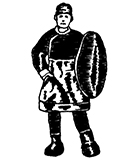
※1
ニヴフ、ウィルタ
樺太の先住民族。アイヌ民族とも深い関係があったが、それぞれ独自の言語を持ち、ニヴフ族はギリヤーク、ウィルタ族はオロッコと呼ばれていた。終戦後にサハリンから日本へと強制送還されたこともある。その際行き着いた先が網走市だった。
ニヴフ、ウィルタ
樺太の先住民族。アイヌ民族とも深い関係があったが、それぞれ独自の言語を持ち、ニヴフ族はギリヤーク、ウィルタ族はオロッコと呼ばれていた。終戦後にサハリンから日本へと強制送還されたこともある。その際行き着いた先が網走市だった。
※1
Nivkh, Uilta
Indigenous people of the Karafuto region. Close with the Ainu people but with a different language, the Nivkh people were called Gilyak, and the Uilta were called Orokko. After the war, Sakhalin and Japan underwent a forced repatriation.
Nivkh, Uilta
Indigenous people of the Karafuto region. Close with the Ainu people but with a different language, the Nivkh people were called Gilyak, and the Uilta were called Orokko. After the war, Sakhalin and Japan underwent a forced repatriation.
「僕はガチな登山家ではなく、やわな旅人なんです。これは謙遜なんかじゃなくて、シェルパとの長いつきあいもそう。先鋭的な登山はシェルパレスに向かいますが、僕はむしろシェルパと一緒に登りたいんです。登山だけが目的ならシェルパとつきあうことなんてないですから。今年はプルバという初めてエベレストに登った時から親交のあるシェルパを日本に招いたりもしましたけど、プルバや知っている仲間たちの隊に参加できるっていう誘いなんて滅多にないわけです。そういうときに、僕は今まで何ひとつ躊躇して来なかったわけで、今回も躊躇する理由がない。でも、ガチな登山家としてのK2ではなくて、やわな旅人としての、本当に手を伸ばして足先を伸ばして、ジャンプしてようやく届く指先の頂。そういう意味でのK2に、行こうと思っています」
開かれた懐に飛び込んできた世界第二峰からの景色は、果たしてどんな“地図”となって読者の目に届くのか。石川さんの多様な活動を追うことは、誰も意識したことのない世界のあり方を“知る”ことでもある。あるいは読者は、何も“知らないこと”を認識することができるだけかもしれない。しかし、その写真から伝わってくる体感は、自分だけの地図を描く旅へと強く誘う力を持っている。
“I am not a diligent mountain climber, more like a fragile traveler. This is not me being humble, but actually the reason why I wanted, at the age of 22, to meet and learn about the Sherpa. If mountain climbing was my only purpose
I wouldn’t have had the chance to spend time with the Sherpa. This year I invited my good friend Phurba, a Sherpa that I have known since the first time I climbed Mt. Everest,
to visit Japan. But, Phurba and his climbing group invited me to climb with them as well, which is extremely rare. This time
I have no excuse to not go. But,
I will not be going to K2 as a diligent climber, I will be stretching my arms and feet out as a fragile traveler. This is the reason I will be going to K2.”
What kind of map will be created and delivered from the world’s second largest peak? The diverse activity that Mr. Ishikawa pursues is a way of “KNOWING” the world that not many people think of. It is possible that his readers will only just be able to realize the fact they don’t “know” anything. However, the sensation that will be transmitted through the photographs will be a strong invitation for people to journey out and create their own personal map of the world.
I wouldn’t have had the chance to spend time with the Sherpa. This year I invited my good friend Phurba, a Sherpa that I have known since the first time I climbed Mt. Everest,
to visit Japan. But, Phurba and his climbing group invited me to climb with them as well, which is extremely rare. This time
I have no excuse to not go. But,
I will not be going to K2 as a diligent climber, I will be stretching my arms and feet out as a fragile traveler. This is the reason I will be going to K2.”
What kind of map will be created and delivered from the world’s second largest peak? The diverse activity that Mr. Ishikawa pursues is a way of “KNOWING” the world that not many people think of. It is possible that his readers will only just be able to realize the fact they don’t “know” anything. However, the sensation that will be transmitted through the photographs will be a strong invitation for people to journey out and create their own personal map of the world.
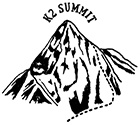
※2
K2
パキスタン、カラコルム山脈に位置する世界第二峰。測量時にカラコルムのKを取って番号をふられ、その呼び名が現在まで続いている。落石や雪崩が頻発し、世界でもっとも難しい山とも言われている。初登頂は1954年のイタリア、アルディト・デジオ隊。
K2
パキスタン、カラコルム山脈に位置する世界第二峰。測量時にカラコルムのKを取って番号をふられ、その呼び名が現在まで続いている。落石や雪崩が頻発し、世界でもっとも難しい山とも言われている。初登頂は1954年のイタリア、アルディト・デジオ隊。
※2
K2
World’s second largest peak in Pakistan’s Karakoram Range. It was named with Karakorum’s “K” and assigned a number during its original measurement. The name has kept since. With frequent avalanches and falling rocks, it is regarded as the world’s most difficult mountain to climb. The first ascent was in 1954 and made by an Italian climbing group led by Ardito Desio.
K2
World’s second largest peak in Pakistan’s Karakoram Range. It was named with Karakorum’s “K” and assigned a number during its original measurement. The name has kept since. With frequent avalanches and falling rocks, it is regarded as the world’s most difficult mountain to climb. The first ascent was in 1954 and made by an Italian climbing group led by Ardito Desio.